
AI Generated
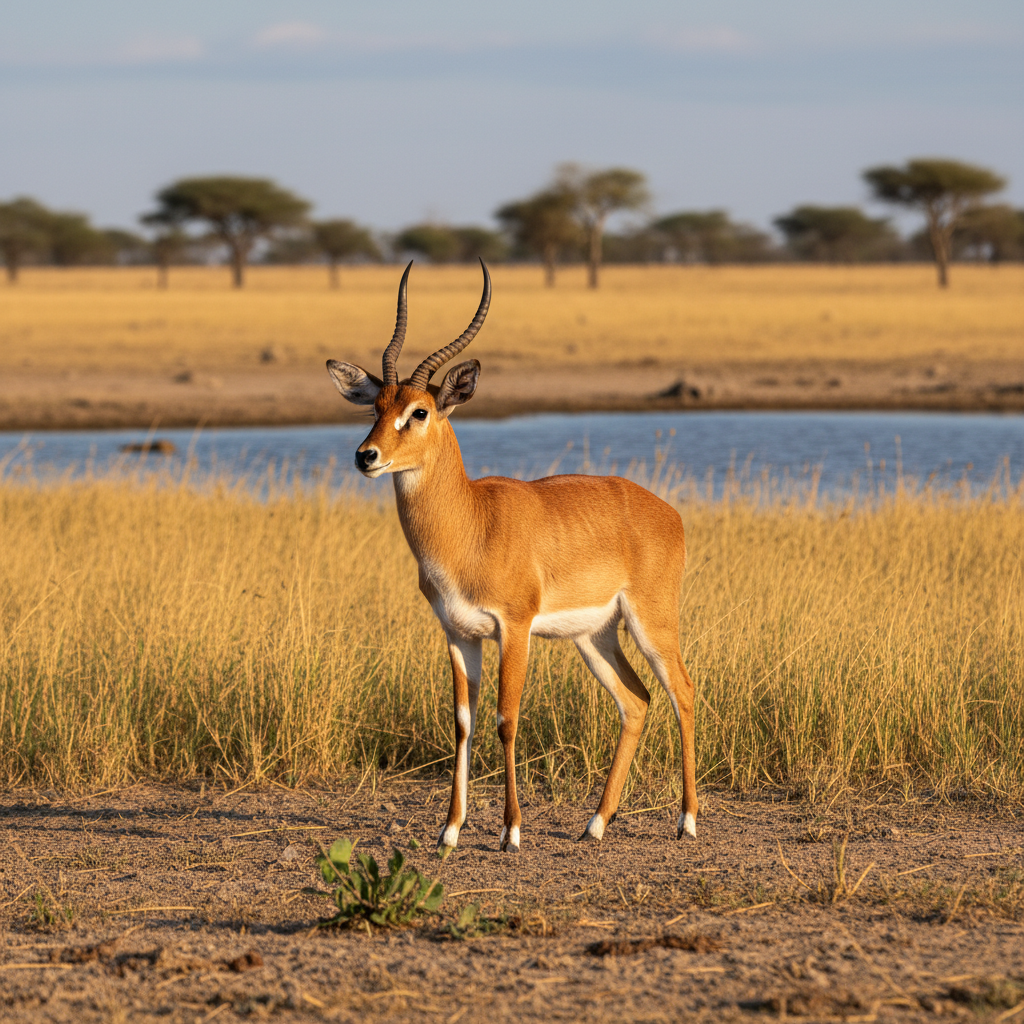
Sudan Bohor Reedbuck
Redunca redunca
The Sudan Bohor Reedbuck (Redunca redunca) is a large African antelope found primarily in wetlands and grasslands. This profile covers its identification, habitat, behavior, and conservation.
Introduction
The Sudan Bohor Reedbuck (Redunca redunca) is a notable species of antelope native to the wetlands and grasslands of East and Central Africa. This animal is distinguished by its the robust build and characteristic features, making it an interesting subject for researchers, hunters, and safari guides alike.
Description
The Sudan Bohor Reedbuck is a medium to large antelope, with males typically weighing between 90 to 120 kilograms (198 to 265 pounds), while females are generally smaller, weighing around 60 to 80 kilograms (132 to 176 pounds). Males are characterized by their long, curved horns that can reach a length of 70 centimeters (approximately 28 inches). The fur of the reedbuck is generally coarse and varies in color from reddish-brown to grayish-brown, often with white markings on the face, throat, and legs. Their eyes are large, reflecting their adaptation to predator avoidance in open plains and wetlands.
Habitat & Range
The Sudan Bohor Reedbuck prefers habitats that include wetlands, marshes, and grasslands where water is present. It is commonly found in areas with dense grass cover, which provides both food and shelter from predators. The species ranges across various countries including Sudan, Ethiopia, Uganda, and parts of Kenya. Their range tends to be associated closely with water bodies where they can find grazing areas and sufficient cover during the day.
Behavior
Sudan Bohor Reedbuck are mostly crepuscular, meaning they are most active during dawn and dusk. They are social animals and can often be seen in small groups, typically consisting of females and their young, while males tend to be more solitary or may form bachelor groups. These antelopes are known for their unique behavior of utilizing the tall grass of their habitat to evade predators such as lions and leopards. They communicate through vocalizations, especially during mating season when males establish territories and attract females.
Diet
The diet of the Sudan Bohor Reedbuck is herbivorous, primarily consisting of grasses and aquatic plants. They are selective feeders and often graze on the most nutritious parts of the grasses, particularly favoring young shoots. They may also consume leaves and shrubs when grass is scarce, particularly during the dry season. The access to water bodies is crucial not just for drinking but also because it influences the availability of their primary food sources.
Hunting & Identification Notes
For hunters, identifying the Sudan Bohor Reedbuck can be straightforward due to its distinct physical features. The curved horns of the male, which are used for fights during breeding season, provide a good identification feature. When tracking these animals, look for signs of grazing areas, dung, and footprints in the mud surrounding wetland areas. The best practice for hunting involves understanding their behavioral patterns, especially their activity times, and utilizing ethical hunting practices that promote conservation of the species. It is crucial to check local regulations regarding hunting seasons and quotas, as the conservation status of the species may impact hunting opportunities.
Conservation Status
The Sudan Bohor Reedbuck is currently classified as near threatened on the IUCN Red List due to habitat loss and hunting pressure. Due to changes in land use, wetland degradation, and poaching, the populations of this species have been declining across their range. To help protect the Sudan Bohor Reedbuck, various conservation efforts are in place, focusing on habitat preservation, anti-poaching measures, and research initiatives aimed at understanding population dynamics. It is important for hunters, safari guides, and researchers to support these efforts and advocate for sustainable practices that safeguard the future of the Sudan Bohor Reedbuck.