
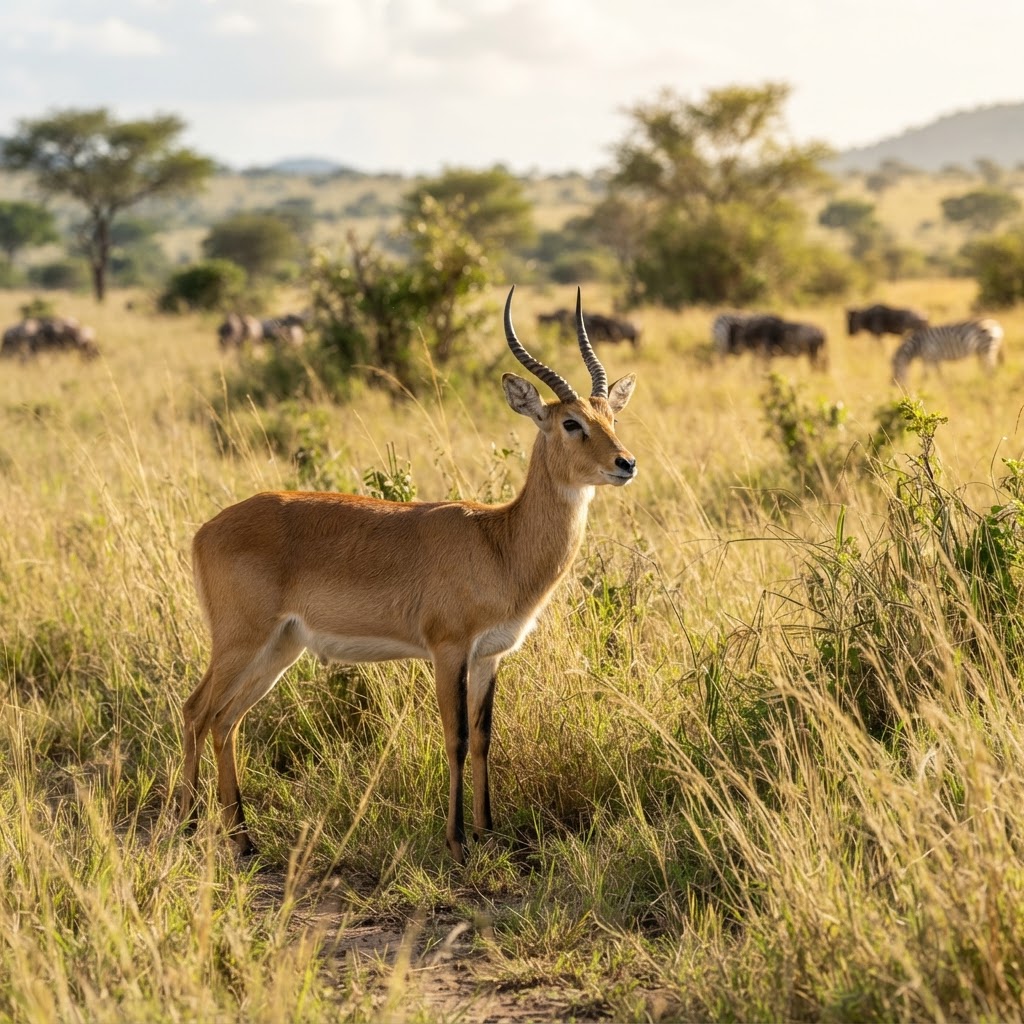
AI Generated
Nagor Reedbuck
Redunca nagor
The Nagor Reedbuck, scientifically known as Redunca nagor, is a member of the antelope family found predominantly in Southeast Africa.
Introduction
The Nagor Reedbuck, scientifically known as Redunca nagor, is a species of antelope found mainly in Southeast Africa, particularly in areas with lush grasslands and wetlands. This elusive animal is part of the Bovidae family, primarily inhabiting regions in countries such as Mozambique, Tanzania, and Zambia.
Description
The Nagor Reedbuck is a medium-sized antelope characterized by a lean, elongated body and long, slender legs. Males typically weigh between 90 to 120 pounds (40 to 55 kg) while females range from 70 to 90 pounds (30 to 40 kg). They possess a distinctive coat that is reddish-brown in color, which serves as excellent camouflage in their natural habitat. Males have long, curved antlers that can reach lengths of about 20 inches (50 cm) and feature a distinct twisted shape. The females, in contrast, are hornless.
Habitat & Range
Nagor Reedbucks thrive in wetlands, marshes, and areas of long grasses throughout their range. They are often found near rivers and lakes, where they can access water and dense vegetation. This species prefers habitats that provide both shelter and nourishment, favoring swamps and river valleys that are not overly disturbed by human activity. Their distribution is largely concentrated in Mozambique and surrounding countries, with stable populations identified in Tanzania and Zambia.
Behavior
Nagor Reedbucks are generally nocturnal or crepuscular, being most active during dawn and dusk to avoid the heat of the day. They are known for their shy and elusive nature, often relying on their keen sense of smell and hearing to detect predators. When alarmed, they may exhibit a characteristic bounding flight, leaping away from danger in a zigzag pattern.
Herd sizes vary, with females often seen in small groups or family units, while males are typically solitary or found in small bachelor groups, especially outside of the breeding season. Their social structure is somewhat fluid, allowing for overlap between groups in prime habitats.
Diet
The diet of the Nagor Reedbuck consists mainly of grass, particularly tender grasses found in their wetland habitats. They are selective feeders and show a preference for young, nutritious growth, often foraging for food during the early mornings or late afternoons. Their grazing habits play a crucial role in shaping the plant community in their habitat, as they prefer certain grass species that can dominate local ecosystems.
Hunting & Identification Notes
Hunters and wildlife observers can identify the Nagor Reedbuck by its characteristic reddish-brown coat and the distinctive curved antlers of males. They also have a unique odor that can alert experienced hunters of their proximity.
When hunting for the Nagor Reedbuck, it is essential to approach quietly and stay downwind, as they are highly alert animals that are sensitive to noise and scent. The best times to encounter them are during early morning and late afternoon, particularly around water sources where they feed and drink.
Common signs of their presence include droppings, tracks, and grazing trails. Moreover, their flight response – jumping away in a zigzag manner – can also be a clue to their presence in the area.
Conservation Status
As of now, the conservation status of the Nagor Reedbuck is classified as Least Concern by the IUCN, though they do face threats from habitat degradation and hunting pressures. Conservation efforts are in place in various parts of their range to monitor populations and manage habitats to ensure their continued survival.
To support Nagor Reedbuck populations, it is important to promote sustainable land-use practices and reduce habitat fragmentation. Awareness and education about this species can also contribute significantly to their protection as they rely on healthy ecosystems to thrive.